A prospect lands on your website, scans your homepage, and decides within seconds whether your business feels credible. If the images are generic stock photos, outdated team snapshots, or a mix of styles collected over several years, your message has to work harder than it should. Brand photography for business gives people immediate visual evidence of who you are, how you work, and why they can trust you.
For small and midsize organizations, professional photography is not a decorative finishing touch. It is a working brand asset. The right images can make a service feel more tangible, introduce the people behind the work, support a stronger website, and bring consistency to every campaign that follows.
Why Brand Photography Matters to Business Growth
Your logo, colors, messaging, and photography all communicate at once. When they feel disconnected, customers may not be able to explain what feels off, but they will notice the lack of clarity. A polished website paired with casual phone photos, for example, can make a capable company seem less established. A thoughtful photography system helps close that gap.
Custom images also help customers recognize the difference between your organization and a competitor. Many businesses in the same category offer similar promises: quality, experience, service, and results. Photography can show the proof behind those claims. It can reveal the care your team brings to a project, the environment you have created for customers, or the process that makes your work distinct.
This matters especially for service-based businesses, nonprofits, and growing companies whose value is not always visible in a product on a shelf. A financial advisor can show a confident, approachable client experience. A nonprofit can document the people and mission behind its impact. A manufacturer can demonstrate precision, scale, safety, and teamwork. Good photography turns abstract claims into something people can see.
Brand Photography for Business Is More Than Headshots
Professional headshots are valuable, but they are only one part of a useful image library. A brand photography plan should be built around the places your organization needs to show up: your website, social media, sales presentations, recruiting materials, email campaigns, brochures, trade show displays, and public relations opportunities.
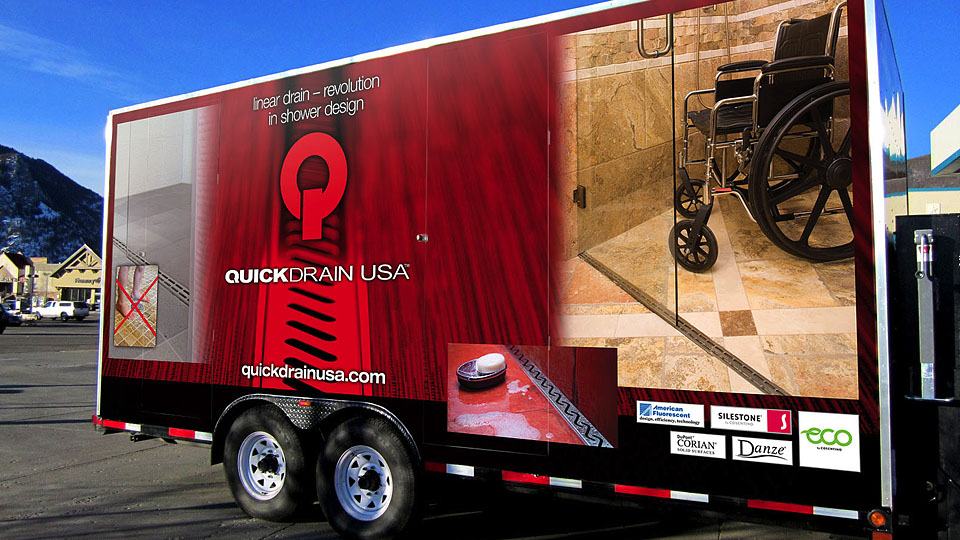
The strongest photography programs create a range of images that can work across these channels without feeling repetitive. That usually includes leadership and team portraits, candid workday moments, client interactions when appropriate, office or facility details, products or services in use, and environmental images that support your visual identity.
The goal is not to document every moment of a day. It is to create intentional visual material that supports your marketing priorities. A firm preparing for a website redesign may need horizontal images with room for headlines and calls to action. A company focused on recruitment may need photography that reflects its culture, team relationships, and workplace. An organization launching a new service may need images that make the offering easier to understand.
The Difference Between a Photo Shoot and a Visual Strategy
A photo shoot can produce attractive images. A visual strategy produces images with a job to do.
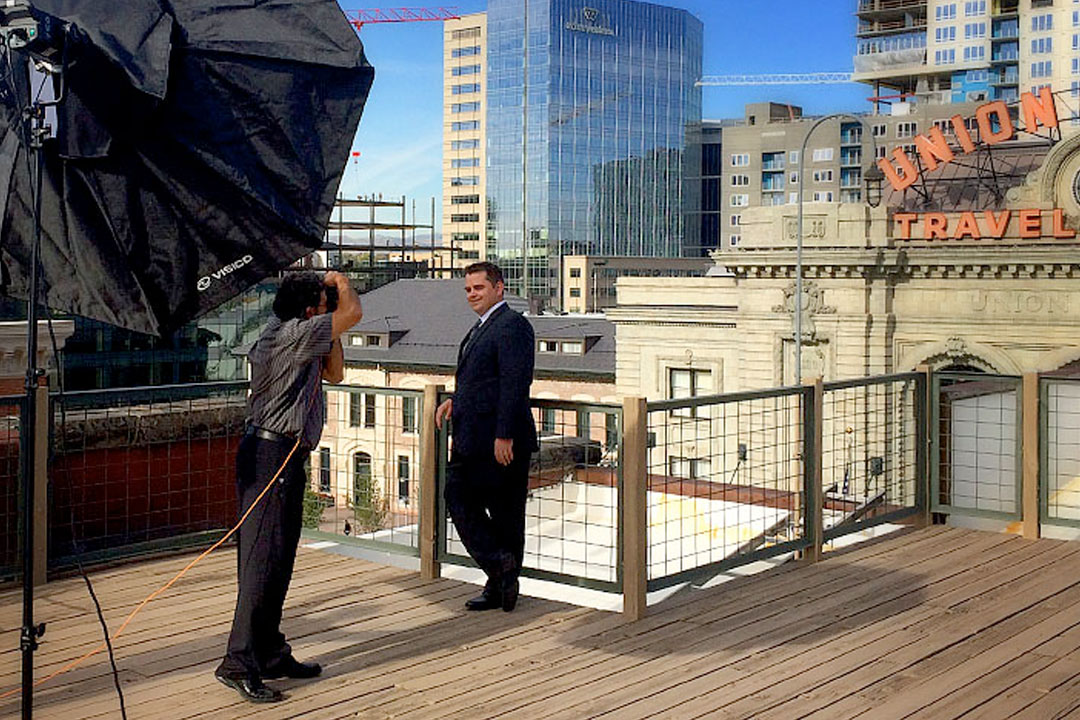
Before a photographer arrives, your team should be clear about who needs to be reached, what perception needs to change or strengthen, and where the images will appear. This preparation shapes everything from the location and wardrobe to the composition and subject matter. It also prevents a common frustration: receiving a gallery of good photos that do not quite fit your website, ads, or printed materials.
For example, a close-up portrait may be excellent for an executive bio but unusable as a website banner. A dramatic image of a facility may work beautifully on a trade show wall but say little about the personal service clients receive. Planning for multiple uses helps your investment work harder.
Start With the Brand Questions That Matter
A successful photography project begins with a conversation, not a camera. Ask practical questions about the message your current images send and the business goals they need to support.
Consider whether your visual materials show the real people customers will work with, whether they reflect the quality and scale of your organization, and whether they look consistent across print and digital channels. Think about what a new prospect needs to see before taking the next step. They may need reassurance that your team is experienced, that your process is organized, or that your organization understands their needs.
It also helps to identify the brand traits you want photography to reinforce. A law firm may need to appear steady, prepared, and approachable. A startup may want to convey energy and focus without looking improvised. A healthcare-related organization may need warmth, professionalism, and careful attention to detail. There is no single visual style that works for every business. The right direction depends on the audience, the industry, and the position you want to own.
Plan Images Around Real Marketing Needs
Once your goals are clear, map the photography to your planned materials. This does not require an overly complicated production plan, but it does require priorities.
Start with the pages and materials that influence key decisions. For many organizations, that includes the homepage, service pages, leadership bios, recruiting pages, company overview brochure, email templates, and social media content. Then consider upcoming needs, such as a new campaign, a trade show, an annual report, or a direct mail initiative.
A thoughtful shot list should leave room for genuine moments. Overly posed images can feel stiff, particularly when your brand depends on relationships and customer engagement. At the same time, candid-looking photography still benefits from direction. A photographer can guide positioning, lighting, background details, and interaction so the images feel natural while remaining consistent with the brand.
Be realistic about what can be photographed. If client confidentiality, job-site safety, or operational schedules limit access, build the plan around those realities. You may need staged service moments, staff-only scenes, or detail images that communicate the work without revealing sensitive information. Constraints do not prevent strong photography. They simply call for clearer planning.
Consistency Makes Every Channel Stronger
One excellent image will not solve an inconsistent brand. The advantage comes from building a collection that shares a recognizable point of view. This does not mean every photo must have the same pose or background. It means the images should feel like they belong to the same organization.
Consistency may come through lighting, color treatment, composition, wardrobe guidance, locations, or the way people are portrayed. A team that wants to feel accessible may use brighter spaces, open expressions, and images of real collaboration. A premium technical brand may favor clean settings, carefully composed details, and a more refined visual approach.
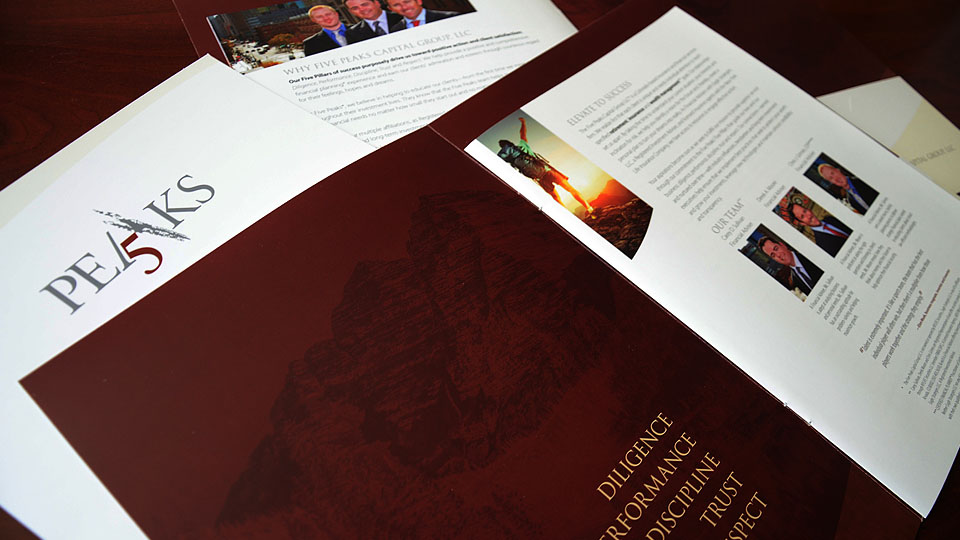
When photography aligns with your overall identity, design work becomes more effective and efficient. Website pages feel more credible. Brochures gain personality. Social posts no longer rely on unrelated stock images. Sales teams have visual support that reflects the company they represent. The result is not simply better-looking marketing. It is a clearer, more believable customer experience.
Avoid the Most Common Photography Mistakes
The most frequent mistake is treating photography as a one-time task to check off during a website project. Businesses change: teams grow, facilities evolve, services expand, and customer expectations shift. Images should be reviewed periodically so they continue to represent the organization accurately.
Another mistake is trying to show everything. A crowded shot list can produce a scattered gallery with no clear purpose. It is better to prioritize the images that support your highest-value marketing opportunities and expand the library over time.
Finally, do not separate photography from brand strategy. A talented photographer can capture strong visuals, but images are most effective when they are coordinated with messaging, design, and channel requirements. Your audience should encounter the same level of clarity whether they see a landing page, a brochure, a presentation, or a trade show display.
Put Your Image Library to Work
After the shoot, organize your images so your team can use them confidently. Establish clear file names, note any usage limitations, and create a shared location for approved photography. Give internal teams guidance on which images best represent key services, audiences, and campaigns. This protects consistency as more people create materials.
Brand photography also creates an opportunity to refresh existing marketing. Replace generic visuals on your website. Update proposal templates and sales presentations. Build a bank of social content. Add authentic team imagery to recruiting materials. The most valuable photo library is not the one sitting in a folder. It is the one being used consistently to make every customer touchpoint more credible.
Your organization already has a story customers need to see. With clear planning and a brand-led approach, photography can bring that story into focus. Serff Creative Group helps organizations connect that visual work to the larger brand system, so the images support not only a stronger first impression, but stronger marketing decisions over time.